 |
 |
 |
 |
 |
 |
 |
 |
 Archived Newsletters Archived Newsletters |
 |
 |
| Email: info@psq.co.za Phone: 021 557 2491  Subscribe to our Newsletters |
 |
| Newsletter |
by Bernard Milian

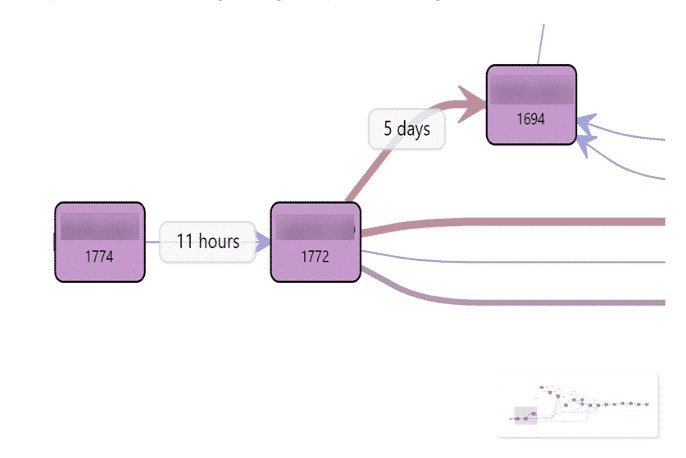
However, if we take a closer look at this queue, we see some strange things:
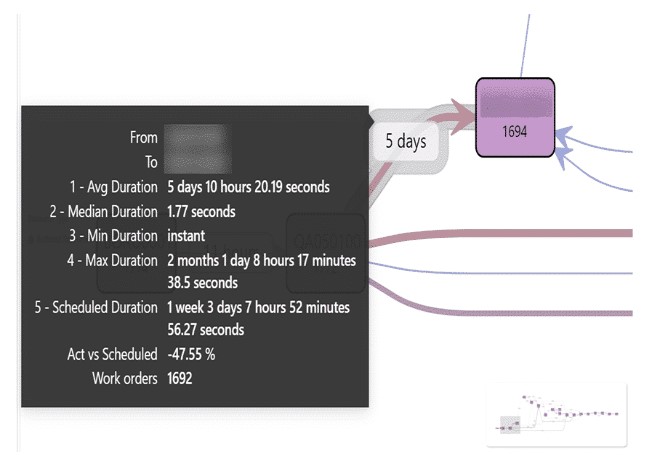
Of course, when it comes to planning, we’ve taken a bit of safety – we’re currently planning a Scheduled Duration of one week and 3 days, whereas the average is 5 days – which gives us a bit of security if orders fall down the well… but as a result, the lead times we promise our customers are not satisfactory.
How to avoid this bottomless pit?
The first thing is to provide clear, shared, ongoing visibility on priorities, and on orders that get lost along the way.
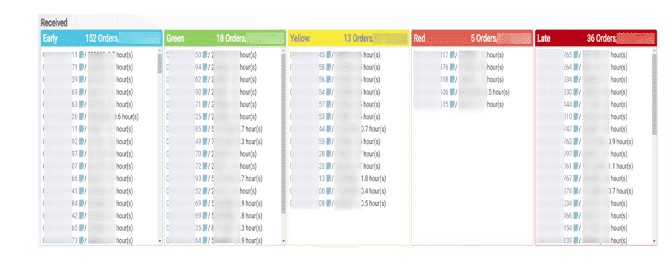
There’s no doubt about it, with the buffer board below showing the queue in front of this work center: there are 36 orders in dark red that are tripping – the priority is to get them out of the hole.
The second thing is to avoid releasing too many work orders/starting work too early.
Let’s look at this same flow and see what happens between the release of production orders and the first routing operation, in this case cutting material:
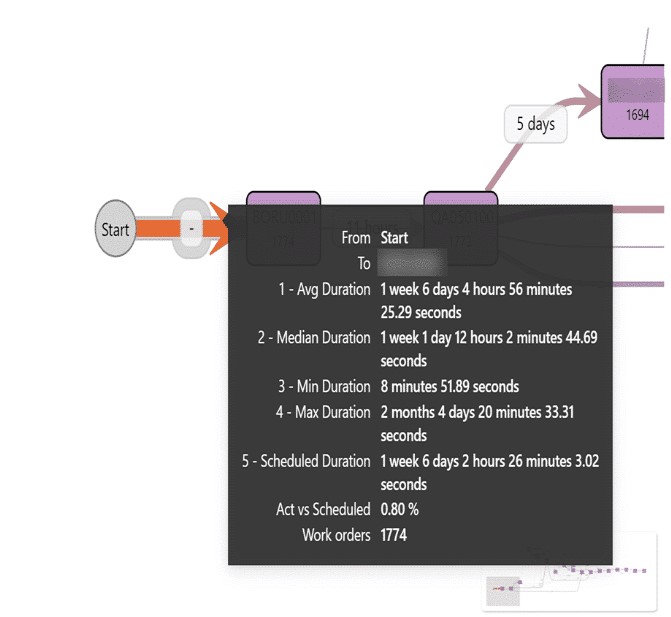
So, to fill the bottomless pits, ensure a smooth flow and shorter lead times, you need to set shared priorities with visual shop floor management, and only release work at the right moment – it’s simple and elegant, and also ensures that work is available for all the workstations that need to be activated.
Any resemblance to your workshop is purely coincidental… but please don’t hesitate to contact us if this is the case.
Get in touch.
For more information, contact KenTitmuss.About the Author
Bernard Milian has more than 35 years of experience in developing agility within industrial and distribution supply chains. He has more than 25 years of experience in Supply Chain Management and Continuous Improvement / Lean 6 Sigma transformation. He has served as a Supply Chain Director within French subsidiaries of world class corporations, in the automotive, electronics, medical devices, furniture and metallurgy industries, B2B, B2C, manufacturing and distribution environments
Bernard Milian has more than 35 years of experience in developing agility within industrial and distribution supply chains. He has more than 25 years of experience in Supply Chain Management and Continuous Improvement / Lean 6 Sigma transformation. He has served as a Supply Chain Director within French subsidiaries of world class corporations, in the automotive, electronics, medical devices, furniture and metallurgy industries, B2B, B2C, manufacturing and distribution environments